How China's First Emperor United the Warring States, Transformed an Ancient Civilization, and Created an Imperial System That Shaped Chinese History for Centuries
Introduction: The King Who Ended the Age of Rival Kingdoms
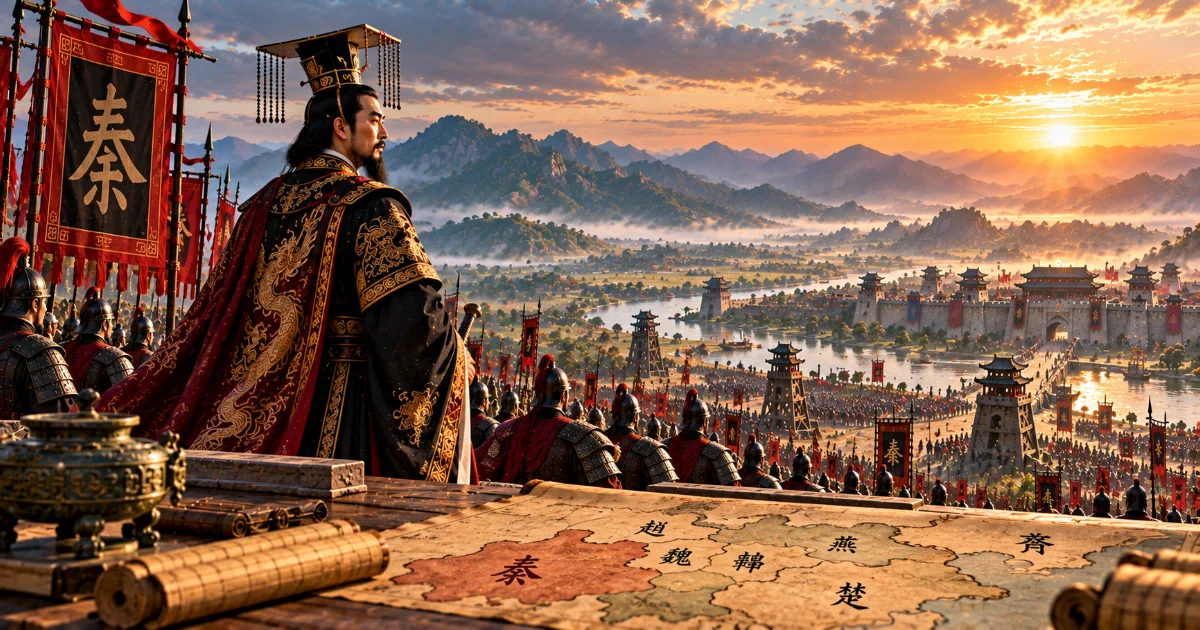
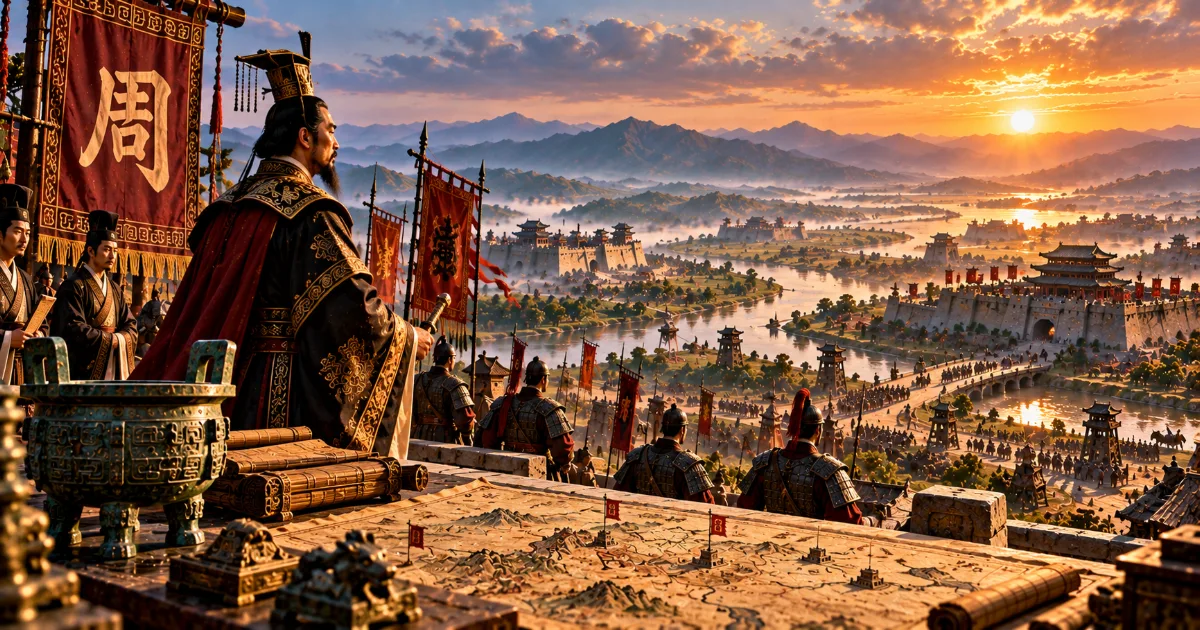
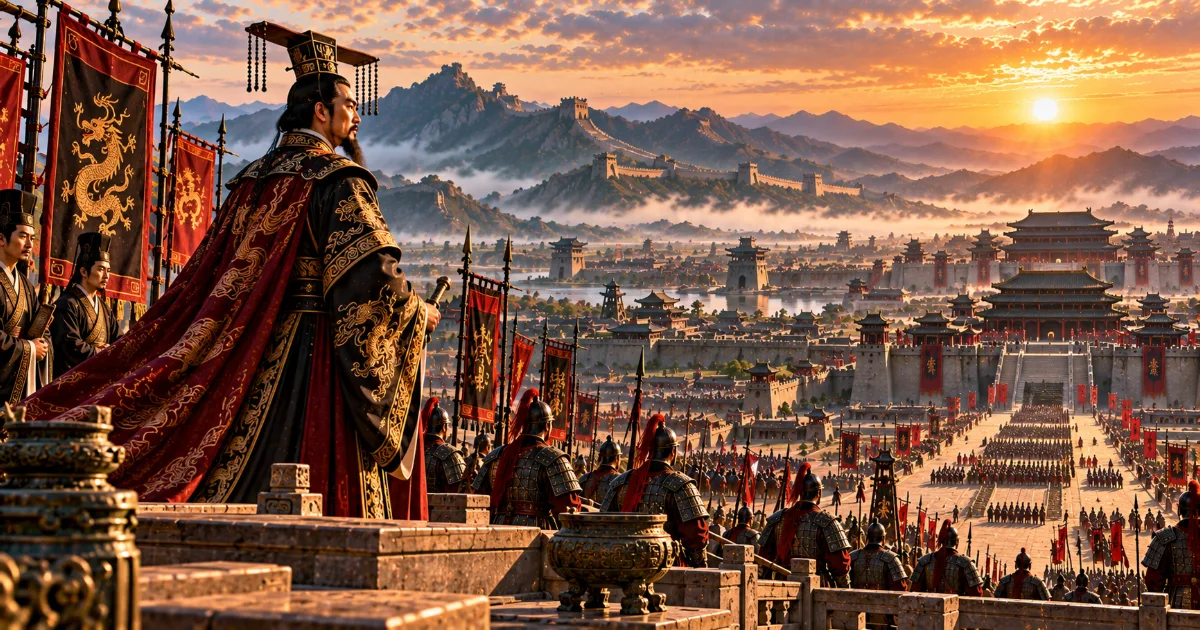
In 221 BCE, a momentous transformation took place in ancient China. After centuries of warfare among rival kingdoms, the ruler of Qin defeated the remaining independent states and brought a large part of the Chinese world under a single government. He adopted the title Qin Shi Huang, meaning the First Emperor of Qin, declaring the beginning of a new imperial age.
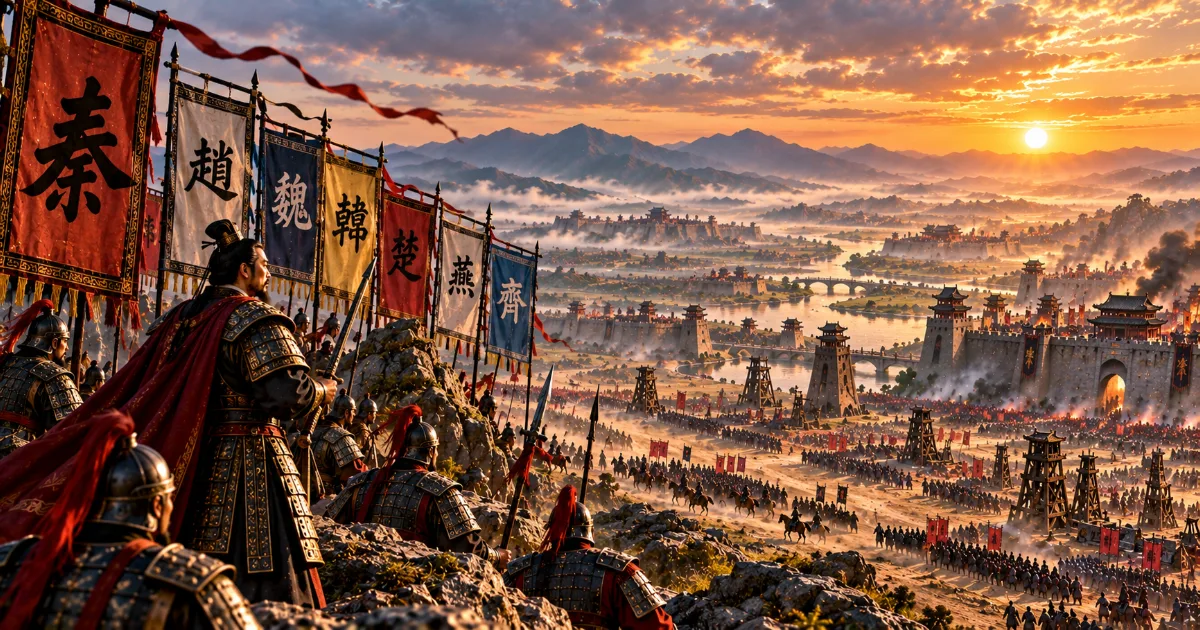
The achievement marked the end of the Warring States period and the beginning of a political experiment that would influence China for more than two thousand years. For generations, regional rulers had competed for territory, military superiority, and political legitimacy. The Zhou royal house had lost its practical authority, and the old aristocratic order had been replaced by increasingly centralized states. Qin emerged from this struggle as the strongest power, capable of defeating its rivals and reorganizing the territories it conquered.
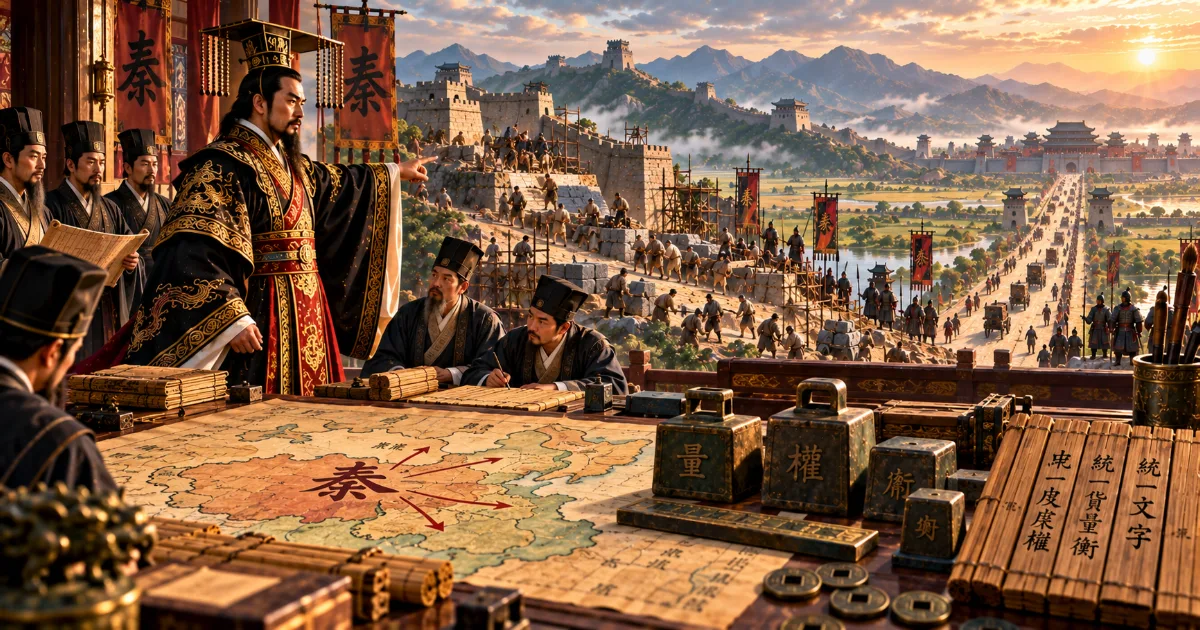
Qin Shi Huang's achievement was not simply a military victory. He sought to create a new political order in which regional kingdoms would not return, powerful hereditary lords would not challenge the central government, and administration would operate according to standards established by the imperial court. His government reorganized territories, standardized important systems, and attempted to make the empire function as a unified political entity.
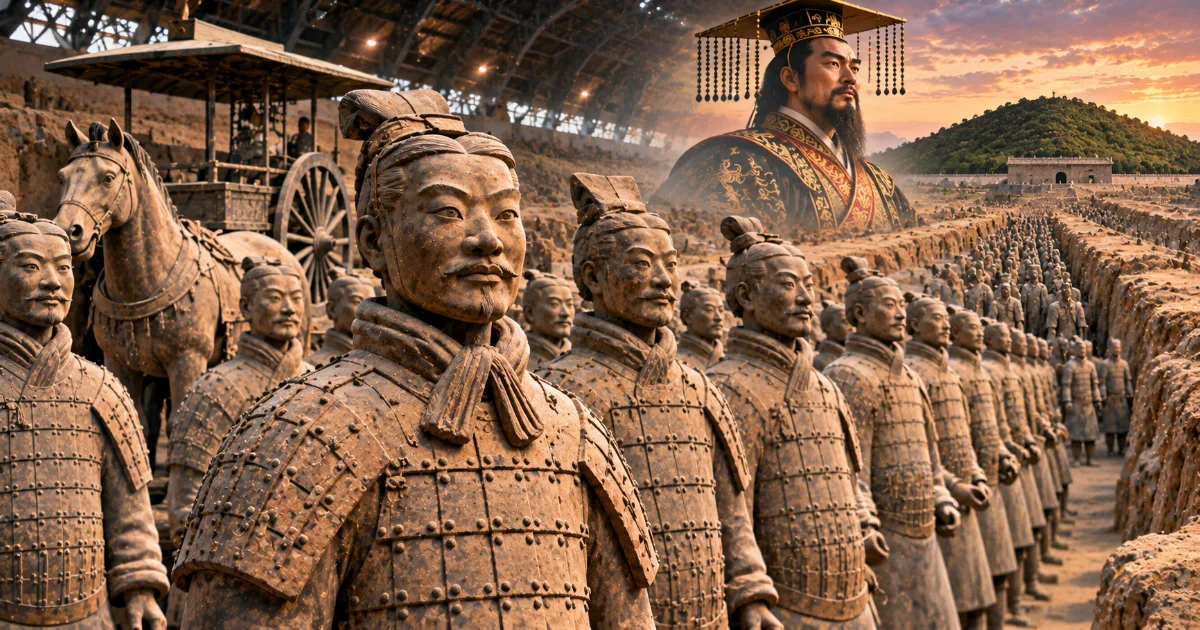
Yet the First Emperor's reign was also marked by severe policies, enormous construction projects, compulsory labour, and an intense concentration of authority. The government mobilized resources on a vast scale to build roads, fortifications, palaces, and the emperor's monumental tomb complex. These projects demonstrated the organizational power of the new state, but they also imposed heavy burdens on the population.
The Qin dynasty itself survived for only a short time after the emperor's death in 210 BCE. Rebellions broke out, the imperial government collapsed, and a new struggle for power followed. By 206 BCE, the Qin dynasty had fallen. Its political life was brief, but its historical consequences were extraordinary.
The imperial structure created under Qin influenced the Han dynasty and many later Chinese governments. The principle that a unified empire could govern extensive territories through appointed officials became one of the defining features of Chinese political history. At the same time, the collapse of Qin warned later rulers that centralized power required more than military strength and administrative efficiency. It also required political stability and an ability to manage the burdens imposed upon society.
This part of the History of China series explores Qin Shi Huang's rise, the unification campaigns, the reforms of the First Emperor, the construction of early defensive walls, the creation of the Terracotta Army, and the reasons the Qin dynasty collapsed so quickly.
The story of Qin Shi Huang is therefore both a story of extraordinary ambition and a lesson in the limits of power. He ended an age of division and created China's first imperial state, but the system he built struggled to survive the ruler who had brought it into existence.
The Articles in Part 3
How Qin Shi Huang Unified China
The First Emperor's Reforms and Centralized Government
The Great Wall: Early Defences and the Qin Legacy
The Terracotta Army and the Emperor's Quest for Immortality
Why the Qin Dynasty Collapsed So Quickly
The first article will examine the life of Qin Shi Huang before he became emperor, the rise of Qin, the military campaigns against the rival kingdoms, and the events that brought unification in 221 BCE.
#HistoryOfChina #QinShiHuang #QinDynasty #FirstEmperor #AncientChina #ChineseHistory #ChineseCivilization #WarringStatesPeriod #ImperialChina #HistoryEducation