From the Mandate of Heaven to Confucius, Laozi, and the Birth of Chinese Philosophical Thought
The Dynasty That Changed China's Political and Intellectual History
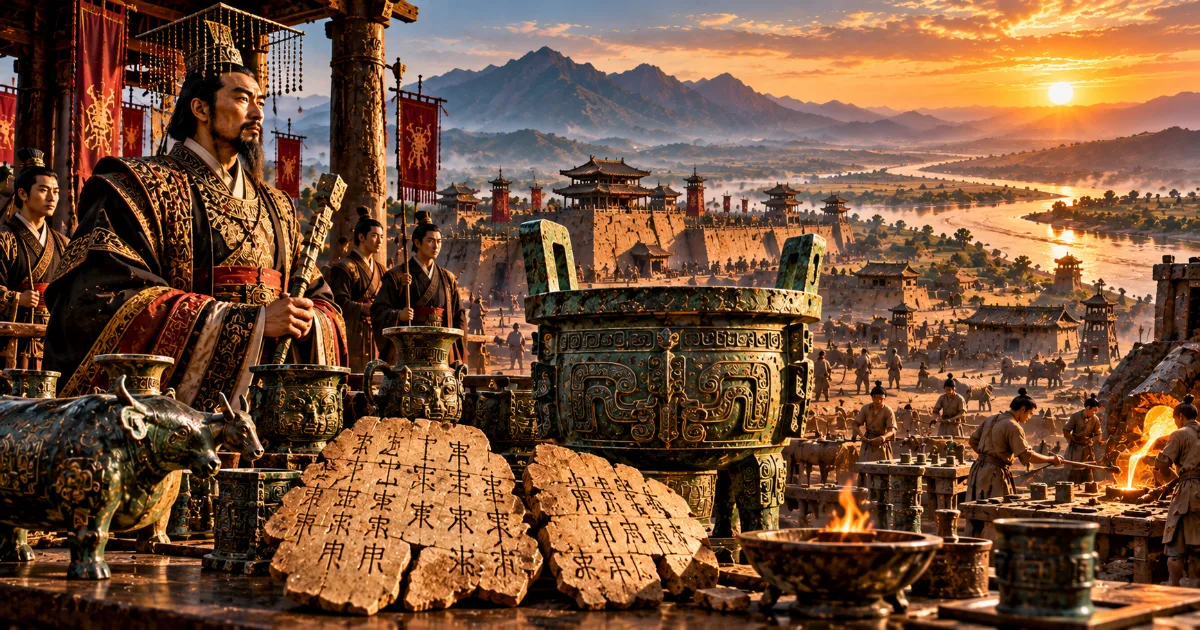
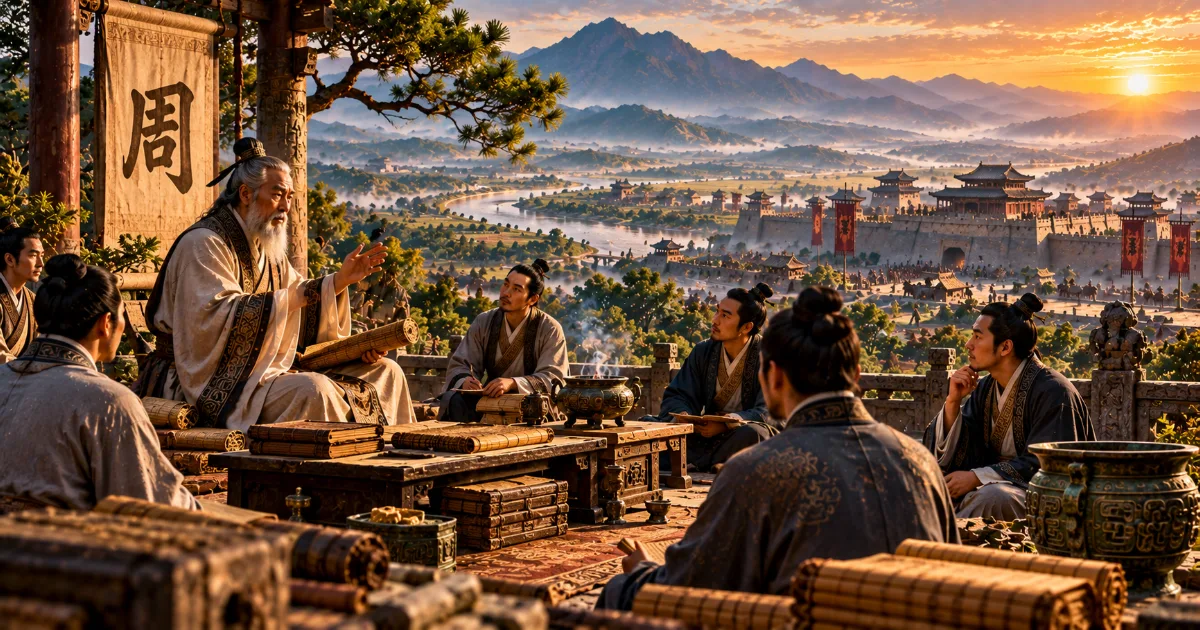
The Zhou Dynasty occupies one of the most influential positions in the history of Chinese civilization. Traditionally dated from approximately 1046 BCE to 256 BCE, it was the longest-lasting dynasty in China's conventional historical chronology. During its centuries of rule, Chinese society experienced major political transformations, expanding regional states, new military strategies, changing economic relationships, and the emergence of philosophical traditions that continue to influence the world.
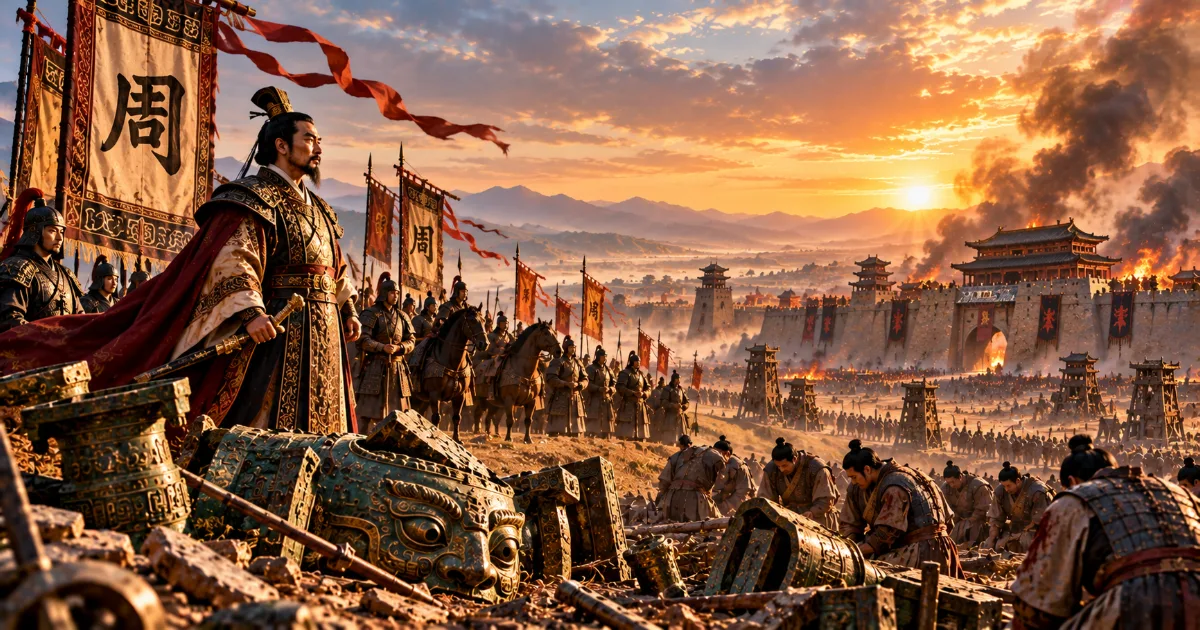
The Zhou began by overthrowing the Shang Dynasty. Their victory introduced a new way of explaining political legitimacy through the concept known as the Mandate of Heaven. According to this idea, a ruler's authority depended on maintaining order and governing responsibly. Heaven could withdraw its support from a corrupt or ineffective ruling house and allow another to take power. This concept became one of the most important ideas in Chinese political thought and influenced how later dynasties explained their rise and fall.
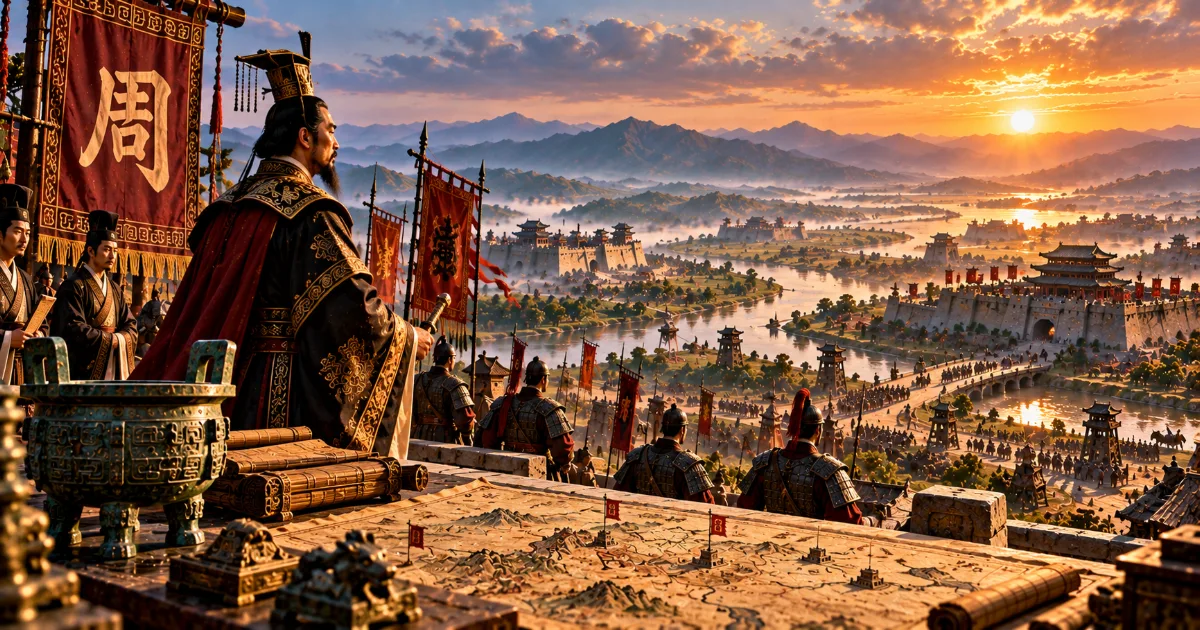
However, the Zhou did not maintain the same level of authority throughout their long history. Early Zhou kings exercised considerable influence through a network of regional rulers, many of whom were connected to the royal house through kinship or political alliances. Over time, these regional powers became increasingly independent. Royal authority weakened, conflicts intensified, and China entered periods of prolonged political fragmentation.
Continue Reading
The decline of central authority did not mean that Chinese civilization stopped developing. In many respects, competition among states encouraged innovation. Rulers sought more effective ways to administer territories, organize armies, collect resources, and maintain public order. Thinkers debated how societies should be governed, what made a ruler legitimate, how people should behave toward one another, and whether human beings could achieve harmony by following nature rather than rigid social rules.
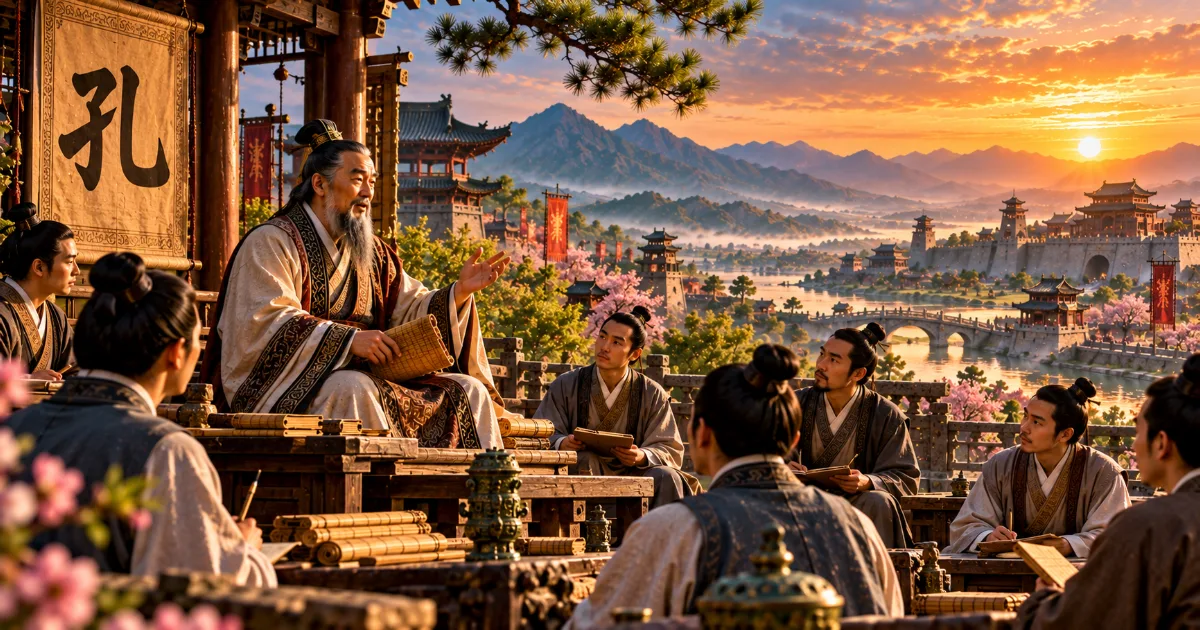
This intellectual transformation produced some of the most influential thinkers in Chinese history. Confucius emphasized moral conduct, education, responsibility, and the importance of ethical leadership. Laozi became associated with Daoism, a tradition that explored the Dao, the underlying way of nature and existence, and the value of simplicity, balance, and non-forcing action. Other thinkers developed ideas about law, political authority, human nature, warfare, and social organization.
These traditions did not emerge in isolation. They developed in response to real problems facing societies affected by war, inequality, political rivalry, and uncertainty. Their questions were practical as well as philosophical. How could rulers prevent disorder? Should a government rely on moral example, strict laws, or both? What responsibilities did people have toward family and society? Could peace be achieved without constant competition for power?
This part of History of China explores the Zhou Dynasty from its founding conquest to the political divisions that shaped the age of philosophers. It examines the Mandate of Heaven, the development and decline of the Zhou political system, the teachings associated with Confucius and Laozi, and the intense competition of the Warring States period.
The Zhou legacy extends far beyond the dynasty itself. Its political ideas influenced later imperial government, while its philosophical traditions shaped Chinese education, family relationships, ethics, literature, and political debate. Understanding the Zhou era helps explain not only how ancient China changed, but also why its ideas remained influential for thousands of years.
What This Part Will Explore
Article 6: The Zhou Conquest and the Mandate of Heaven
Discover how the Zhou defeated the Shang and developed an influential theory of political legitimacy, linking the right to rule with responsible government.
Article 7: Feudal Order, Royal Authority, and the Decline of Zhou Power
Explore how the Zhou organized regional rule, why local powers became stronger, and how the authority of the royal court gradually weakened.
Article 8: Confucius and the Foundations of Chinese Ethics
Learn about Confucius's teachings on education, family responsibility, moral character, social relationships, and the duties of rulers.
Article 9: Laozi, Daoism, and the Search for Harmony
Examine the ideas associated with Laozi and Daoism, including the Dao, simplicity, natural balance, and the principle of acting without unnecessary force.
Article 10: The Warring States Period: Rival Kingdoms and Revolutionary Ideas
Discover how intense political competition transformed warfare, administration, and philosophy, creating an environment in which thinkers proposed radically different solutions to disorder.
Why the Zhou Dynasty Still Matters
The Zhou period shows how political decline can coexist with intellectual creativity. As the authority of the royal house weakened, competing states searched for new methods of government and new justifications for power. Philosophers responded to the crisis by asking fundamental questions about human behavior, morality, law, leadership, and the proper relationship between individuals and society.
The Mandate of Heaven established a powerful argument that rulers had responsibilities beyond preserving their own position. Confucianism placed moral cultivation and social responsibility at the center of a good society. Daoism offered a different perspective, emphasizing harmony with the natural order and cautioning against excessive control. Other schools of thought challenged these approaches and proposed alternative ways to restore stability.
These ideas were debated, adapted, and reinterpreted by later generations. They did not remain unchanged, nor did every Chinese ruler follow them consistently. Nevertheless, they became enduring parts of China's intellectual heritage and continue to influence discussions about ethics, leadership, education, and human relationships.
The Zhou Dynasty was therefore much more than a long period between two political powers. It was an era in which Chinese political thought and philosophy developed in response to profound historical change.
Join us as we explore the rulers, thinkers, conflicts, and ideas that shaped this remarkable chapter of Chinese history.
#HistoryOfChina #ZhouDynasty #MandateOfHeaven #Confucius #Laozi #Daoism #ChinesePhilosophy #AncientChina #WorldHistory