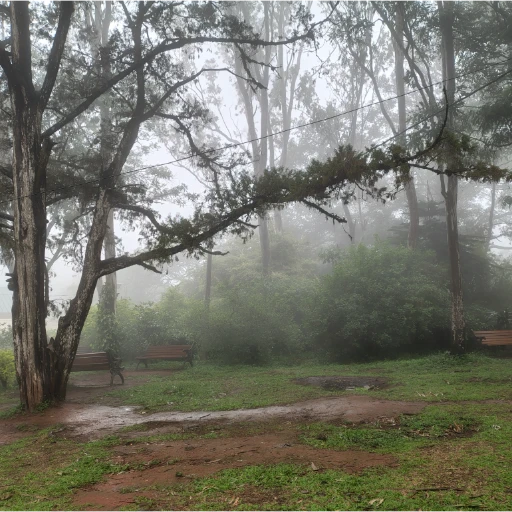
Yesterday was one of those evenings when Bengaluru reminded me why travelling during rain can be such a frustrating experience.
It was time to leave office. I was ready to head home, but just when I was about to book a ride, it started raining heavily. Anyone who lives in Bengaluru knows that rain and evening traffic can completely change the situation on the roads. What normally takes a reasonable amount of time can suddenly take much longer.
So I opened the ride booking app and checked the fare.
At around 6:30 PM, the fare was approximately ₹120.
I looked at it and thought, okay, this is manageable. I could book the ride and go home.
But I was still getting ready to leave, and within a short period of time, the situation changed.
By around 7:00 PM, the fare had gone up to approximately ₹217.
I honestly had to look at the screen again.
₹120 had become ₹217.
That is almost a hundred rupees more in just around half an hour.
And the reason was obvious. It was raining heavily, people were leaving offices, demand for autos and cabs was increasing, and the number of available drivers willing to take rides was probably much lower.
This is what we now call dynamic or surge pricing.
But when you are standing outside an office in heavy rain, trying to get home after a long working day, it does not feel like an economic concept.
It feels like a problem.
Rain changes the entire commuting experience
On a normal day, if I have to travel home after office, I can wait for a few minutes.
If one driver rejects the ride, I can try again.
If the fare is slightly higher, I can think about it.
If the vehicle takes some extra time, I can manage.
But rain changes everything.
You do not want to stand outside for too long.
You do not want to keep checking your phone while water is coming down heavily.
You do not want to wait for ten or fifteen minutes wondering whether the next driver will accept.
You just want to get inside a vehicle and reach home.
That is exactly what makes the situation so interesting.
The time when people need transportation the most is also the time when transportation can become significantly more expensive.
Is ₹217 unreasonable?
Someone might say that ₹217 is not a huge amount.
And that is true.
For some people, it may be perfectly affordable.
But the issue is not simply whether ₹217 is affordable.
The issue is the sudden increase from ₹120 to ₹217.
If the fare had been ₹217 from the beginning, I could have made a decision.
I could have looked at the price and thought about whether I wanted to pay it.
But seeing ₹120 at 6:30 PM and then ₹217 at 7:00 PM makes you wonder what exactly is happening in those thirty minutes.
Has the distance changed?
No.
Has my destination changed?
No.
Has the vehicle suddenly become better?
No.
The biggest change is that demand has increased and availability has become lower.
That is understandable from a business perspective.
But from a passenger's perspective, it can still feel frustrating.
Dynamic pricing has a logic behind it
To be fair, surge pricing does not happen without a reason.
Ride-hailing platforms have to balance supply and demand.
When thousands of people are trying to book rides at the same time, there may not be enough drivers available.
Drivers also have their own concerns during heavy rain.
Driving becomes more difficult.
Traffic slows down.
Roads can become flooded.
Visibility can reduce.
The chances of delays increase.
Some drivers may decide not to work during particularly heavy rain.
Others may stay online but become more selective about the rides they accept.
From the driver's point of view, a higher fare can make a difficult trip more worthwhile.
So there is an economic explanation for the price increase.
The question is not whether supply and demand exist.
Of course they do.
The question is how the passenger experiences that system.
What happened after I got the auto was another story
The fare issue was only one part of my experience.
Eventually, I got an auto.
I thought at least now the difficult part was over.
But then I noticed something else.
The auto did not have proper protection from the rain coming from the side.
The rain was not just falling from above.
Because of the wind and the movement of the vehicle, water was coming in from the side as well.
As a passenger, you are sitting there trying not to get wet.
You adjust yourself.
You try to avoid the rain.
You move your bag.
You protect your phone.
You look for a place where the water is not coming directly inside.
And then another thought comes to mind.
I am paying more because of the weather.
But the service itself has not necessarily become better because of the weather.
In fact, in this case, the journey became more uncomfortable because of the rain.
That is where the whole situation started feeling strange.
Higher fare does not automatically mean better service
This is an important distinction.
When the fare increases, what exactly is the passenger paying extra for?
Is it simply for availability?
Is it for faster acceptance?
Is it for the driver taking the risk of travelling during difficult weather?
If that is the case, perhaps it can be explained.
But passengers may naturally expect that if they are paying more, the overall service will still meet a basic standard.
That does not mean every auto needs to be luxurious.
Nobody expects that.
An auto is an auto.
But basic protection from rain is a reasonable expectation when you are travelling during heavy rainfall.
Especially when the fare has increased substantially.
Imagine being a passenger carrying a laptop
This becomes even more frustrating for office workers.
Many of us travel with laptops, office bags, documents, headphones, chargers and other things.
When rain starts coming into the auto from the side, you are not only worried about yourself.
You are worried about your belongings.
A laptop getting wet is not a small problem.
A phone getting damaged is not a small problem.
Important documents getting soaked is not a small problem.
And if you are paying ₹217 for a ride that originally cost around ₹120, it is natural to expect at least some basic protection.
What about people travelling with children?
Now imagine the same situation with a child.
A parent may be carrying a small child while travelling in an auto during heavy rain.
The parent cannot simply tell the child to move away from the rain.
They have to protect the child, the bags and themselves.
The same applies to older passengers.
Not everyone can sit comfortably while rainwater comes inside from the side.
This is where transportation becomes more than just a price discussion.
It becomes a question of passenger comfort and safety.
Bengaluru rain makes this issue more visible
Bengaluru's rain has a way of exposing weaknesses in everyday transportation.
When the weather is normal, you may not notice small gaps.
An auto with a partially open side may be perfectly fine on a dry evening.
A small delay may not matter.
A fare increase of ₹20 may not bother you.
But combine heavy rain, peak office hours, traffic, fewer available vehicles and rising fares, and suddenly every small problem becomes much more noticeable.
The passenger is already dealing with the weather.
Then comes the traffic.
Then comes the waiting.
Then comes the higher fare.
Then comes the uncomfortable vehicle.
It becomes a lot for one journey.
The passenger has very little choice at that moment
This is perhaps the biggest issue with surge pricing during bad weather.
When the weather is good, passengers have alternatives.
You can walk to a nearby bus stop.
You can take a two-wheeler.
You can wait for public transport.
You can perhaps find an auto on the road.
But when it is raining heavily, many of these alternatives become less attractive.
If you are already wet or standing outside an office, you may not want to wait for a bus.
If you have luggage or an office bag, walking may not be practical.
If you are carrying a laptop, you do not want to expose it to rain.
So the passenger's willingness to pay increases because the alternatives become less convenient.
That is exactly when dynamic pricing becomes most visible.
Is the passenger paying for the rain?
This is the question that came into my mind.
Of course, technically, the fare is not simply a "rain charge."
The platform is responding to demand and availability.
But from the passenger's point of view, the experience can feel exactly like that.
It is raining heavily.
More people need rides.
The fare goes up.
The weather becomes worse.
The fare goes up again.
At some point, you start wondering whether you are paying extra because you need a vehicle at the exact moment when everyone else needs one too.
Again, there is an economic explanation.
But understanding the explanation does not mean the experience cannot be frustrating.
Drivers are dealing with the same rain
There is another side to this story that we should not ignore.
The driver is also sitting in that rain.
The driver is the one driving through traffic.
The driver is dealing with wet roads.
The driver is exposed to the possibility of accidents, vehicle damage, flooded roads and long traffic jams.
If a journey normally takes 30 minutes but takes an hour because of rain, the driver's earning per hour can fall significantly if the fare does not account for the additional time.
So I can understand why drivers may prefer higher fares during difficult weather.
The driver also has a family.
The driver also has expenses.
The driver also wants to return home safely.
This is not a simple story where the passenger is right and the driver is wrong.
Both sides are dealing with the same difficult conditions.
Then where is the problem?
The problem is the system.
The platform has information.
It knows how many people are trying to book rides.
It knows how many vehicles are available.
It knows the weather conditions.
It knows traffic conditions.
It knows historical demand patterns.
It knows how fares respond to demand.
With all this information, there should be ways to make the experience more transparent.
If there are very few autos available, tell the passenger.
If the waiting time is expected to be high, show it.
If the fare is likely to increase because of demand, communicate that clearly.
If the service is operating under extreme weather conditions, perhaps the platform can also encourage drivers to maintain basic passenger protection.
Technology should be able to do more than simply increase the price.
What does the passenger actually get for the extra money?
This is the question I would genuinely like to ask.
If the fare goes from ₹120 to ₹217, what additional value is being provided?
Is the driver paid more?
Does the driver get additional protection?
Does the passenger get priority?
Does the passenger get a more reliable pickup?
Does the passenger get a vehicle with better rain protection?
Does the platform provide any additional assurance?
Or is the extra amount simply the price required to make someone accept the ride?
If it is the last one, then perhaps platforms should communicate that more clearly.
Rain should not automatically mean poor passenger experience
There is no way for a transportation platform to control the weather.
Nobody can stop Bengaluru rain.
Nobody can remove traffic completely.
Nobody can guarantee that every journey will be comfortable.
But some things can be improved.
Vehicle condition can be monitored.
Drivers can be encouraged to maintain basic safety standards.
Passengers can be given better information.
Pricing can be made more transparent.
Complaint systems can be more responsive.
Availability information can be improved.
These small improvements could make a significant difference.
The problem becomes bigger for daily office commuters
People who travel to office every day understand this very well.
Your salary does not increase every time it rains.
Your office timing does not change because the weather is bad.
Your commute, however, can suddenly become more expensive.
Suppose someone normally spends ₹120 on the journey.
Then on a rainy evening, it becomes ₹217.
If that happens occasionally, perhaps it is manageable.
But if similar increases happen repeatedly during monsoon season, transportation can become a significant additional monthly expense.
For someone commuting every working day, this is not a small issue.
What happens to people who cannot afford the higher fare?
This is another part of the discussion that often gets ignored.
Not everyone has the option to simply pay the higher amount.
A person earning a modest salary may already be spending a significant portion of their income on rent, food, education, loans and transportation.
When a ₹120 ride suddenly becomes ₹217, they may not be able to justify it.
But what are their alternatives during heavy rain?
Wait outside?
Take multiple buses?
Walk through the rain?
Ask a colleague for a lift?
These choices are not equally practical for everyone.
That is why transportation pricing has a real impact on everyday life.
Maybe public transportation becomes even more important
Experiences like this also make people think about public transportation.
Buses, metro systems and other forms of public transport can provide an alternative when ride-hailing fares become too high.
But public transportation also has limitations.
The route may not be convenient.
The nearest station may be far away.
The last-mile connection may still require an auto.
During heavy rain, reaching a bus stop or metro station can itself become difficult.
So ride-hailing and public transportation need to complement each other rather than being treated as completely separate systems.
Last-mile connectivity is still a major issue
This is particularly relevant in Bengaluru.
Even if you use the metro for a large part of your journey, you may still need an auto to reach home.
That final few kilometres can become the most frustrating part of the journey.
If it is raining heavily, you may have no choice but to book an auto.
And if thousands of other commuters are doing the same thing, prices can rise quickly.
This shows why better last-mile transportation is so important for large cities.
What should a passenger reasonably expect?
I do not think passengers should expect luxury.
We know what an auto is.
We understand that it is an affordable form of transportation.
We understand that the driver is working in difficult conditions.
We understand that rain creates challenges.
But basic expectations should still exist.
The vehicle should be reasonably safe.
The passenger should have basic protection from weather.
The fare should be transparent.
The driver should not create unnecessary confusion after accepting the ride.
And the passenger should not feel that every difficult journey requires a negotiation.
These are not unreasonable expectations.
There is a difference between surge pricing and exploitation
This is a sensitive word, so it is worth being careful.
Dynamic pricing itself is not necessarily unfair.
Supply and demand are real.
Drivers need incentives to work during difficult conditions.
But the passenger experience can still raise questions when prices rise sharply at precisely the moment when people have fewer alternatives.
The important thing is transparency.
If a passenger knows that the fare is high because availability is low, they can make an informed decision.
If they understand the situation and still choose the ride, at least they know what they are paying for.
The frustration increases when the passenger feels trapped by the circumstances.
And then there is the condition of the vehicle
The pricing issue becomes even more interesting when the actual service does not feel particularly comfortable.
Yesterday, the auto I travelled in did not have proper protection from side rain.
So I was sitting in an auto during heavy rain, paying a fare that had risen significantly from earlier in the evening, while still getting wet from the side.
That experience made me wonder about the relationship between pricing and service quality.
If the platform is charging more because demand is high, should there also be minimum service standards for vehicles operating during those conditions?
Perhaps that is a conversation worth having.
Maybe platforms need weather-based service standards
This could be an interesting idea.
When the weather is normal, a basic auto may be perfectly adequate.
But during heavy rain, perhaps platforms could introduce certain requirements.
Proper side covers.
Working rain protection.
Safe visibility for the driver.
No damaged or exposed parts that could create risks.
Reasonable passenger protection.
These would not make every auto premium.
They would simply recognise that the operating conditions have changed.
If passengers are paying significantly more because of those conditions, the service should at least remain functional and reasonably safe.
The driver's earnings and passenger experience should not be opposites
One of the biggest mistakes in these conversations is assuming that if passengers want lower fares, drivers must earn less.
That does not necessarily have to be the case.
The platform itself has a role.
It can decide how much commission it takes.
It can design incentives.
It can distribute demand.
It can offer bonuses during peak periods.
It can encourage drivers to operate in areas where demand is high.
It can improve matching.
There are many variables between what the passenger pays and what the driver earns.
That means the entire conversation should not be reduced to passenger versus driver.
We need better transportation conversations
Stories like this may sound small.
₹120 became ₹217.
An auto did not have proper rain protection.
A passenger got wet.
It sounds like just another bad commute.
But millions of people use these services every day.
When small problems are repeated across millions of journeys, they become bigger urban issues.
Transportation affects people's time, money, comfort and sometimes even their safety.
It deserves more attention than simply asking whether an app is available.
My evening could have been much simpler
Honestly, I just wanted to go home.
It had been a working day.
It started raining heavily.
I wanted to book an auto, reach home and forget about the commute.
Instead, I watched the fare move from around ₹120 at 6:30 PM to around ₹217 by 7:00 PM.
Then, after finally getting an auto, I had to deal with rain coming in from the side because the vehicle did not have proper protection.
It was not a pleasant experience.
And I am sure many commuters have experienced something similar.
Some may have paid even more.
Some may have waited much longer.
Some may have cancelled the ride and taken a bus.
Some may have simply stood outside waiting for the rain to reduce.
Everyone has their own story.
The real question is not just about ₹217
If this article were only about complaining that ₹217 is expensive, it would miss the bigger point.
The bigger question is what we expect from modern transportation.
We have sophisticated apps.
We have GPS.
We have real-time maps.
We have digital payments.
We have automated pricing.
We have huge driver networks.
We have algorithms deciding which driver should receive which ride.
With all this technology, passengers should ideally have more predictability, not less.
A little rain should not turn a normal commute into a negotiation.
Maybe the future should be about reliability, not just availability
There is a difference between having a ride available and being able to depend on it.
An app can say that thousands of drivers are available.
But if nobody wants to accept your particular trip, availability does not mean much.
An app can show a fare.
But if the driver asks for additional money, the displayed fare loses some of its value.
An auto can arrive.
But if rain is coming inside, the passenger experience is still poor.
The future of ride-hailing should therefore focus not only on getting vehicles onto the platform.
It should focus on making the entire journey dependable.
As passengers, what can we do?
Passengers also have a role.
We can understand that drivers are working in difficult conditions.
We can avoid unnecessary cancellations.
We can be ready at the pickup point.
We can treat drivers respectfully.
We can report genuine safety and service problems through the platform.
And when fares are extremely high, we can consider alternatives when they are practical.
But passengers cannot solve everything.
The platform has a much bigger role in creating the rules of the system.
The industry is still evolving
Ride-hailing is still a relatively new part of urban transportation compared with traditional buses, trains and autos.
The industry is learning.
Platforms are experimenting with pricing.
Drivers are adapting.
Passengers are changing their expectations.
Cities are changing.
Technology is changing.
As all of this develops, customer experience should remain an important part of the conversation.
Because ultimately, these are not just transactions between an app and a driver.
There is a real person sitting in the back seat.
That person may be tired.
They may be carrying a laptop.
They may have spent the entire day at work.
They may be trying to reach home before dinner.
They may be travelling with a child.
They may simply be standing outside in the rain hoping someone will take them home.
A rainy evening should not feel like a premium service
That is probably the simplest way I can describe what I felt yesterday.
Rain is part of life in Bengaluru.
Heavy traffic is part of life in Bengaluru.
People leaving office around the same time is part of life in Bengaluru.
These are not unexpected events.
Platforms have enormous amounts of historical data.
They know that evening demand increases.
They know that rain can reduce vehicle availability.
They know that commuters need rides.
So perhaps the system can be designed better around these predictable patterns.
Maybe drivers can be incentivised before the peak begins.
Maybe passengers can be given better information.
Maybe vehicle standards can be checked.
Maybe pricing can be made easier to understand.
Maybe cancellations can be reduced.
There are many possibilities.
What I would really like to see
I would like to see a ride-hailing experience where the passenger does not have to think too much.
I want to know what the fare is.
I want to know whether a driver is actually likely to accept it.
I want the driver to know where I am going and what the trip pays before accepting.
I want the driver to arrive.
I want the vehicle to provide basic protection from the weather.
I want to reach home.
That is it.
Nothing extraordinary.
No luxury.
No special treatment.
Just a predictable journey.
The bigger Bengaluru question
Bengaluru is one of India's biggest technology cities.
We talk constantly about artificial intelligence, automation, digital transformation, smart cities and new technology.
But sometimes the most basic everyday experiences remind us that technology still has a long way to go.
If someone can build a sophisticated system capable of predicting demand and adjusting fares in real time, surely we can also build systems that make daily transportation more predictable for ordinary commuters.
The challenge is not only technological.
It is also about designing the experience around real human needs.
People need to reach work.
People need to reach home.
People need to catch flights.
People need to travel safely in rain.
People need to know what something will cost.
These are simple needs.
What happened yesterday is worth talking about
At 6:30 PM, I saw a fare of around ₹120.
At 7:00 PM, it had become around ₹217.
It was raining heavily.
I eventually travelled in an auto where the side protection from the rain was not adequate.
And that left me with one simple question.
What exactly are we paying more for?
Are we paying for the ride itself?
Are we paying for scarcity?
Are we paying for the driver's willingness to travel in difficult weather?
Are we paying for the convenience of not standing outside in the rain?
Maybe the answer is a little bit of all of these.
But as ride-hailing becomes an increasingly important part of everyday life, passengers deserve transparency about how these prices are determined, and drivers deserve a system that makes their work financially worthwhile.
There has to be a middle ground.
Because the passenger should not feel punished simply because it started raining.
And the driver should not feel forced to take an unprofitable trip simply because someone needs a ride.
The platform sits between both sides.
It has the data.
It has the technology.
It has the ability to design the system.
So perhaps the responsibility also lies there.
Yesterday, I was simply trying to get home after office.
The rain made the journey difficult.
The price made it more frustrating.
And the condition of the auto made me ask even more questions.
Maybe my experience was just one ordinary rainy evening in Bengaluru.
But if thousands of commuters are experiencing the same thing, then perhaps it is time we stopped treating these experiences as normal and started asking how urban transportation can work better for everyone.
Because when it rains, people still need to get home.
And getting home should not feel like a luxury service.
#Rapido #Uber #Ola #Bengaluru #Bangalore #BengaluruRain #RainyDay #CabService #Auto #RideHailing #DynamicPricing #SurgePricing #UrbanMobility #DailyCommute #OfficeCommute #CustomerExperience #PassengerExperience #GigEconomy #Drivers #Transportation #BangaloreTraffic #Monsoon #Commuters #PublicTransport #India #UrNextDoor