
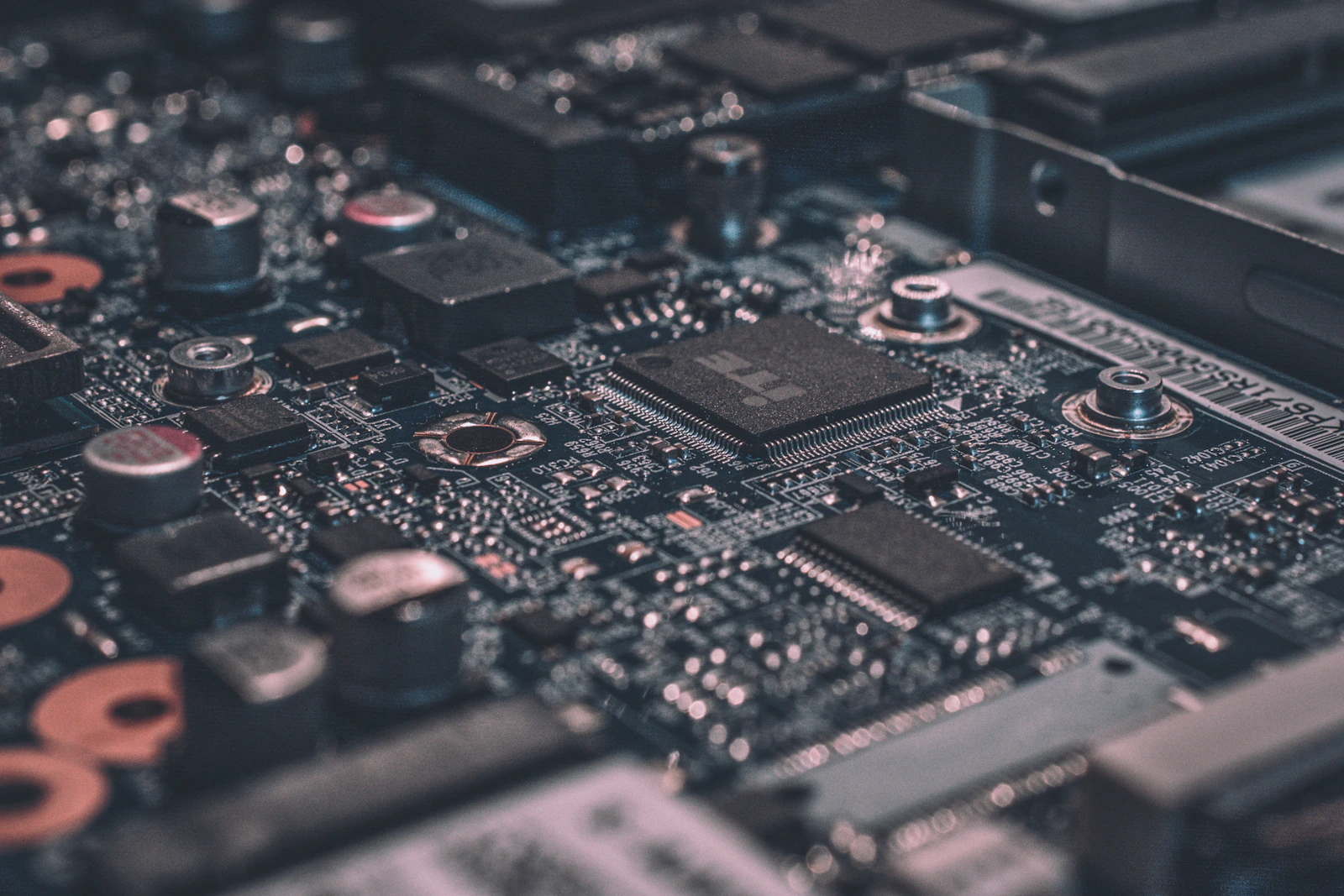
Artificial intelligence is changing the semiconductor industry, and memory chips are becoming one of the most important parts of that story. Samsung Electronics is projected to report nearly $217 billion in operating profit in 2026, according to recent industry reporting. If that projection is achieved, it would show how strongly demand for AI infrastructure is influencing the economics of major technology companies. It is a projection, not a confirmed final result, and the outcome will depend on market conditions, pricing, production, and customer demand.
Why memory has become central to AI
When people talk about AI chips, they often focus on powerful processors. Those processors matter, but they cannot do their job efficiently without fast access to data. Modern AI systems move enormous amounts of information while training models and responding to users. Memory technology helps supply that information to the processors at the speed required.
High Bandwidth Memory, commonly called HBM, is designed to move data quickly and efficiently for demanding computing workloads. It is particularly important in advanced AI accelerators used in data centres. As models become larger and AI services attract more users, the demand for capable computing infrastructure grows. That creates opportunities not only for processor designers but also for memory manufacturers and the broader supply chain.
The result is a wider AI hardware ecosystem. Servers need processors, memory, networking, storage, power, cooling, and specialised equipment. A bottleneck in any one of these areas can affect the performance or cost of the whole system. Memory is therefore no longer a background component in the AI story. It is one of the technologies that can determine how much useful work a data centre can deliver.
Why demand can support higher profits
When demand for a specialised component grows faster than available supply, manufacturers can gain pricing power. If customers need a product urgently and only a limited number of suppliers can deliver it at the required quality and scale, prices and margins may improve. In memory markets, these conditions can have a meaningful effect because the industry requires large investments and production capacity cannot always be expanded quickly.
However, pricing power is not permanent by default. Semiconductor markets have historically moved through cycles. When prices rise, manufacturers have an incentive to invest in additional capacity. That capacity can take time to build, but once it becomes available, supply may catch up with demand. If customers reduce orders or competing suppliers expand faster than expected, prices can come under pressure.
This is why a strong period for earnings should be understood alongside the conditions that produced it. Investors need to consider whether demand is supported by long-term adoption, temporary supply constraints, or a combination of both. They also need to examine the amount companies must spend to maintain their technological lead.
Samsung is competing in a strategic market
Samsung operates across several technology businesses, including memory, consumer electronics, and semiconductor manufacturing. In advanced memory, it competes with companies such as SK Hynix and Micron. Competition is not only about producing more chips. Suppliers must meet demanding requirements for performance, reliability, energy use, manufacturing quality, and customer qualification.
High Bandwidth Memory is a specialised product, and customers building advanced AI systems need components that work reliably within complex platforms. Developing and manufacturing these products requires engineering expertise and significant investment. A company that can deliver at scale and meet customer requirements may be well positioned when demand is strong. At the same time, product transitions and competition mean that leadership cannot be taken for granted.
For Samsung and its competitors, the opportunity is large, but the execution challenge is also substantial. Manufacturers must improve products, expand capacity carefully, manage costs, and keep pace with changing customer designs. The strongest long-term position will depend on more than a single quarter of high prices or a large earnings forecast.
AI investment is creating a wider supply chain effect
Demand for AI infrastructure affects more than the companies that sell processors directly. Data centre operators need advanced memory, high-speed networking, storage systems, power equipment, cooling technology, and construction services. Semiconductor equipment suppliers may benefit when chipmakers expand or modernise production facilities. Materials companies can also be affected by changes in manufacturing volumes.
This interconnected supply chain helps explain why AI has become a major theme across technology markets. An investment decision by a large cloud provider can flow through several layers of suppliers. If a company plans to build more AI capacity, it may order servers, accelerators, memory, network equipment, and supporting infrastructure. Those orders can create revenue opportunities for many businesses, although the timing and scale of the benefits will differ.
There is a corresponding risk. If large customers slow their spending, postpone projects, or become more selective about which AI services they support, suppliers may see orders change. Companies that have expanded capacity in anticipation of continued growth could face lower utilisation or pressure on prices. The whole ecosystem is linked, but not every company has the same exposure or financial resilience.
The difference between revenue growth and durable profits
Strong sales are important, but durable profitability requires more. Companies must cover research and development, production costs, wages, depreciation, logistics, and the expense of building new capacity. A business can report rapid revenue growth while also facing high costs. Investors therefore look at margins and cash generation as well as sales.
Operating profit is a useful measure because it focuses on the earnings generated by business operations before interest and certain other items. Even so, a forecast for operating profit is not the same as cash in the bank, and it does not by itself describe the full financial picture. Capital expenditure, working capital, taxes, financing, and future investment needs also matter.
For a semiconductor manufacturer, maintaining a competitive position can require continual investment. Advanced production technologies are expensive, equipment can be specialised, and product development cycles are demanding. A company may need to reinvest a significant portion of its earnings to remain competitive. The important question is whether those investments create sustainable returns over time.
What could challenge the current outlook?
Several factors could alter the outlook for AI-related chip demand. Inflation and interest rates can influence the cost of financing data centres and the valuations investors place on future growth. Electricity availability and energy prices can affect the economics of operating large computing facilities. Export controls, trade restrictions, and geopolitical tensions can influence which customers companies can serve and where products can be sold.
Technology itself is another variable. AI models and computing architectures continue to evolve. Future systems may use different combinations of memory, processors, and specialised hardware. Better software efficiency could reduce the amount of computing required for some tasks, even as lower costs encourage broader adoption. It is difficult to predict the exact balance between more efficient technology and increased demand.
Competition can also change quickly. A supplier that enjoys strong demand today must continue to meet technical requirements and customer expectations. If a competitor improves product performance, manufacturing yield, or supply reliability, customers may adjust their purchasing decisions. Semiconductor leadership is built through sustained execution, not just favourable market conditions.
Why investors should be careful with projections
Large earnings forecasts attract attention because they offer a simple headline for a complicated industry. But a projection is based on assumptions about prices, sales volumes, production, costs, and market conditions. If any of those assumptions change, the final result may differ. Readers should distinguish a forecast from an audited result and avoid treating a single number as a guarantee.
Investors evaluating a semiconductor company should consider its business segments, customer concentration, product roadmap, manufacturing capacity, balance sheet, cash flow, and valuation. They should also ask how much future growth is already reflected in the share price. A company can perform well operationally while its stock falls if market expectations were even higher.
It is equally important not to assume that every company connected to AI will benefit equally. Some businesses may have strong positions in critical components. Others may face heavy competition or need large investments to capture demand. Understanding where a company sits in the value chain can help explain its opportunities and risks.
What the AI hardware boom means for businesses
For businesses adopting AI, the semiconductor story is a reminder that the service they use depends on a physical infrastructure. Computing capacity needs chips, electricity, data centre space, networking, and cooling. Availability and cost can influence how quickly providers expand services and how they price them. Organisations planning AI projects should think about performance and reliability as well as software features.
Companies do not necessarily need the most expensive or advanced system for every task. Some applications may work well with smaller models or less demanding hardware, while more complex workloads may require specialised accelerators and high-speed memory. Matching the technology to the task can help manage costs and energy use.
For smaller organisations, the practical takeaway is to focus on measurable business outcomes. Before investing heavily in AI, identify the problem to solve, estimate the costs, consider data security, and decide how success will be measured. The rapid growth of hardware investment demonstrates that AI can require substantial resources, but the value comes from how effectively those resources are used.
Memory may become an even more important competitive advantage
As AI systems handle more complex workloads, the relationship between processing and memory becomes increasingly important. A powerful processor cannot operate at its full potential if it must wait too long for data. High bandwidth and efficient memory systems can help keep computing resources busy and improve overall performance. That makes memory design and integration an important part of building advanced AI infrastructure.
Still, technology improvements rarely stop at one component. Better networking, packaging, software optimisation, and system design can all affect performance. The winners may be companies that work effectively with customers and partners across the system rather than those that focus on a single specification. Manufacturing reliability and the ability to scale production remain essential.
The longer-term question is sustainability
The AI boom has created an unusually large opportunity for semiconductor suppliers, but the next stage will test whether spending turns into lasting economic value. Data centre operators need customers for the services they build. Businesses adopting AI need useful results. Hardware manufacturers need to convert demand into healthy margins while continuing to invest in future products.
If AI becomes a routine part of work across industries, demand for computing infrastructure may remain significant over the long term. Yet the path will include cycles, competition, and changing expectations. Strong results today can coexist with uncertainty about future growth, and a large forecast should be treated as a scenario rather than a certainty.
Final thoughts
Samsung's projected operating profit highlights how quickly AI is changing the semiconductor landscape and how important memory has become to advanced computing. High Bandwidth Memory is a critical part of many AI systems, and suppliers capable of meeting demand can benefit from a strong market. But manufacturing costs, competition, future capacity, customer spending, and technology changes will shape how long those benefits last.
The most useful way to understand this story is to look beyond the headline figure. AI infrastructure is an ecosystem, and its long-term success will depend on reliable hardware, efficient software, sound investment decisions, and real demand for AI services. Semiconductor companies that combine innovation with disciplined execution will be better placed to navigate the opportunities and the risks.
What do you think? Will demand for AI memory remain a long-term growth engine for semiconductor companies, or could rising capacity and changing technology make today's profit expectations harder to sustain?
#Samsung #Semiconductors #AIChips #HighBandwidthMemory #ArtificialIntelligence #ChipIndustry #TechNews #DataCenters #NVIDIA #Startupro

