
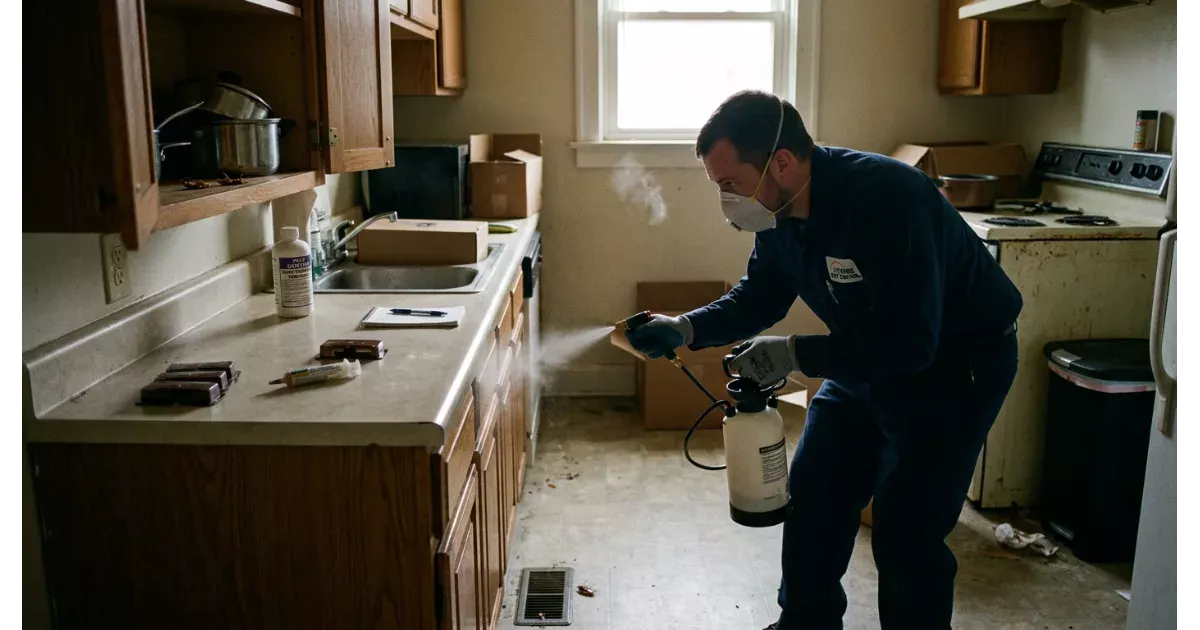
Keeping your home or business free from pests is essential for maintaining a clean, healthy, and comfortable environment. Whether you are dealing with rodents, cockroaches, bed bugs, ants, or other unwanted pests, professional treatment can help prevent property damage and reduce health risks. Best@Pest Exterminating focuses on effective pest management solutions, careful inspections, and preventive strategies to address infestations and help stop them from returning. Choosing a reliable pest control service ensures that pest problems are handled with an appropriate approach tailored to your property's needs.
Finding the right pest control company is important when dealing with persistent rodent activity. New York City's dense neighborhoods, older buildings, shared walls, basements, and busy commercial areas can make rodent problems difficult to manage without professional assistance. Experienced exterminators evaluate the source of the infestation and develop a treatment plan based on the property's condition. Choosing professional rodent control nyc solutions can help reduce health risks, protect property, and maintain a cleaner environment for residents, employees, and customers.
Cats may also play a role in traditional discussions about controlling mice and rats, but relying on pets alone is rarely an effective long-term solution. Some property owners consider cats rodent control nyc options because cats naturally hunt small animals. However, a cat cannot seal entry points, remove nesting materials, or address rodents living inside walls and inaccessible areas. Combining responsible pet ownership with professional pest management provides a more practical approach to protecting homes and businesses from unwanted rodents.
Understanding Rodent Problems in New York City
New York City offers rodents several opportunities to find food, water, and shelter. Restaurants, grocery stores, apartment buildings, storage rooms, and residential kitchens can attract rats and mice when food waste or other resources are accessible.
Older buildings may have cracks in foundations, damaged door sweeps, gaps around plumbing pipes, and openings near utility lines. Rodents can use these entry points to move indoors. In apartment complexes, a problem in one unit may also affect neighboring units through shared walls, ceilings, basements, and service areas.
Common signs of rodent activity include:
Small, dark droppings around cabinets, pantries, and storage spaces.
Scratching, scurrying, or gnawing sounds behind walls.
Chewed packaging, wires, cardboard, or wooden materials.
Shredded paper or fabric used for nesting.
Greasy marks along frequently used paths.
Unusual pet behavior near walls, appliances, or hidden spaces.
Recognizing these signs early can help property owners arrange an inspection before an infestation becomes more difficult to control.
Why Professional Rodent Control Matters
Rodent infestations can create serious concerns for residential and commercial properties. Rats and mice may contaminate surfaces with urine and droppings, damage insulation, and chew electrical wiring. Food businesses may face sanitation concerns if rodents enter kitchens, storage rooms, or food preparation areas.
Professional exterminators understand rodent behavior and can determine where animals are entering, feeding, and nesting. Rather than simply treating visible activity, a comprehensive plan addresses the conditions allowing rodents to survive.
A professional service may include a property inspection, identification of rodent species, placement of appropriate traps, recommendations for sanitation improvements, and sealing of accessible entry points. Follow-up inspections help determine whether the treatment is working and whether additional measures are necessary.
For property owners searching for rodent control nyc, a company that emphasizes inspection and prevention can offer a more sustainable solution than a temporary response to visible rodents.
Common Rodents Found in NYC Properties
Understanding the type of rodent involved helps determine the most suitable treatment approach.
Norway Rats
Norway rats are often associated with basements, sewers, ground-level areas, garbage storage spaces, and building foundations. They are strong diggers and may create burrows around outdoor structures. Inside buildings, they can hide in cluttered storage areas and travel along walls in search of food.
Effective management usually involves identifying access routes, reducing food availability, securing waste containers, and using suitable control methods.
House Mice
House mice can enter buildings through surprisingly small openings. They commonly nest behind appliances, inside cabinets, within storage boxes, and in wall voids. Because they reproduce quickly, a small mouse problem can become a larger infestation if left untreated.
Sealing entry points, storing food securely, and placing traps in appropriate locations can help manage mouse activity.
Roof Rats
Roof rats are agile climbers that may use trees, overhead utility routes, and building exteriors to access upper floors, attics, and roof spaces. Their presence can be more difficult to detect when nesting sites are hidden above occupied rooms.
Professional inspections can help identify these routes and recommend appropriate exclusion and treatment measures.
How Best@Pest Exterminating Approaches Rodent Control
Best@Pest Exterminating can help property owners understand their rodent concerns and explore suitable pest management options. A thorough approach should focus on the source of the problem, the building's layout, and the conditions that attract rodents.
1. Detailed Property Inspection
The first step is to examine the property for droppings, gnaw marks, nesting materials, and other evidence of rodent activity. Inspectors may check kitchens, basements, utility rooms, storage spaces, exterior walls, and areas around plumbing.
The inspection helps determine the likely species, the severity of the problem, and possible access points.
2. Identifying Entry Points
Rodents can enter through damaged vents, gaps beneath doors, openings around pipes, and cracks in exterior walls. Exclusion work focuses on closing suitable openings with rodent-resistant materials.
The appropriate repair depends on the size and location of the gap. Damaged door sweeps, broken screens, and deteriorating seals may need replacement.
3. Targeted Rodent Removal
Traps and other approved control methods can be selected according to the rodent species, location, and level of activity. Placement should consider children, pets, employees, and other occupants.
Rodenticides, when appropriate, require careful handling and must be used according to product directions and applicable regulations. Improper placement can expose pets, wildlife, or people to unnecessary risks.
4. Sanitation Recommendations
Rodents are attracted to accessible food and water. Pest management professionals may recommend storing food in sealed containers, removing clutter, repairing leaks, and improving waste handling.
These measures reduce the resources that support rodent populations and help make treatment more effective.
5. Monitoring and Prevention
After initial treatment, follow-up monitoring can reveal whether rodent activity continues. Additional traps, repairs, or sanitation changes may be necessary if the original conditions remain.
Preventive inspections are particularly useful for restaurants, multi-unit buildings, warehouses, and properties with a history of recurring infestations.
Can Cats Help With Rodent Control in NYC?
Cats have a natural hunting instinct, and some cats may chase or catch mice. This is one reason people explore cats rodent control nyc approaches for homes, shops, and other properties.
However, cats should not be considered a replacement for professional rodent management. A cat may catch an occasional mouse but cannot reliably eliminate a breeding population hidden behind walls, inside ceilings, or beneath floors. Rats can also injure cats, and rodents may carry parasites or pathogens that pose risks to pets.
There are several important considerations for property owners.
Cats Do Not Solve Structural Problems
If rodents can enter through foundation cracks, damaged vents, or gaps around plumbing, they may continue returning regardless of whether a cat lives inside the property. Sealing entry points is essential to reducing access.
Pet Safety Must Come First
Rodent poison can pose a serious risk to cats if they directly consume bait or are exposed to contaminated rodents. If rodenticides are used, their placement and management should follow professional safety guidance and applicable product instructions.
Cats Are Not a Complete Prevention Strategy
A clean environment, secure food storage, waste management, exclusion work, and professional monitoring provide a more dependable foundation for rodent prevention.
For households that already own cats, pets can remain part of the home environment while trained pest control professionals address the underlying infestation safely and appropriately.
Rodent Control for Apartments and Multi-Unit Buildings
Apartment buildings present special challenges because rodents can move between units through shared walls, pipes, basements, and utility spaces. Treating only one apartment may not resolve a problem when entry points and nesting areas remain elsewhere in the building.
Building managers should investigate reports from residents, inspect common areas, secure garbage rooms, and arrange necessary repairs. Coordination between management, residents, and pest control professionals can improve results.
Residents can support prevention by keeping food sealed, cleaning spills promptly, reporting leaks, and notifying building management about signs of rodent activity.
Professional inspections should also consider basements, laundry rooms, boiler rooms, and other shared spaces where rodents may find shelter.
Rodent Prevention for Restaurants and Commercial Properties
Restaurants and other food-related businesses must pay particular attention to rodent prevention. Food waste, deliveries, storage areas, and frequent door openings can create opportunities for rodents to enter.
A commercial prevention program may include:
Inspecting receiving areas and storage rooms.
Keeping ingredients in sealed, suitable containers.
Removing food waste regularly.
Maintaining clean floors and equipment spaces.
Repairing gaps around doors, pipes, and vents.
Monitoring activity with appropriately placed traps.
Maintaining pest control and inspection records.
Businesses should respond quickly to evidence of rodent activity and follow applicable health and sanitation requirements. A documented prevention program helps identify recurring problems and supports consistent facility management.
Safe Cleanup After Rodent Activity
Cleaning areas contaminated by rodents requires care. Sweeping or vacuuming dry droppings can release contaminated particles into the air.
For routine cleanup, follow current public health guidance: ventilate the area when appropriate, wear suitable disposable gloves, apply an appropriate disinfectant according to its label, allow the recommended contact time, and carefully remove contaminated materials. Avoid disturbing droppings before they have been properly disinfected.
Heavily contaminated or difficult-to-access areas may require professional cleanup. Anyone dealing with a significant infestation should seek guidance from a qualified pest control or remediation professional.
Choosing a Rodent Control Company in NYC
Selecting a suitable exterminator involves more than comparing prices. Property owners should look for a company that explains its inspection process, treatment methods, safety precautions, and prevention recommendations.
Before hiring a service, consider these questions:
Does the company inspect the property before recommending treatment?
Will it explain how rodents are entering the building?
Are its proposed methods appropriate for children and pets?
Does it provide follow-up monitoring or maintenance options?
Can it explain its relevant licensing, insurance, and service policies?
Does it provide clear information about treatment costs and expected next steps?
A transparent pest control provider should explain both the immediate treatment and the preventive steps needed to reduce future rodent activity.
Why Early Action Is Important
Waiting to address rodent activity can allow the problem to spread. A few droppings in a kitchen, repeated scratching sounds, or chewed food packaging may indicate that rodents have already established a route through the property.
Early inspection can help identify the source before damage and contamination become more extensive. Even after visible rodents disappear, monitoring remains important because hidden activity may continue.
Property owners should avoid relying exclusively on home remedies, strong-smelling products, or cats to solve a serious infestation. These measures do not address every source of food, shelter, and access.

