
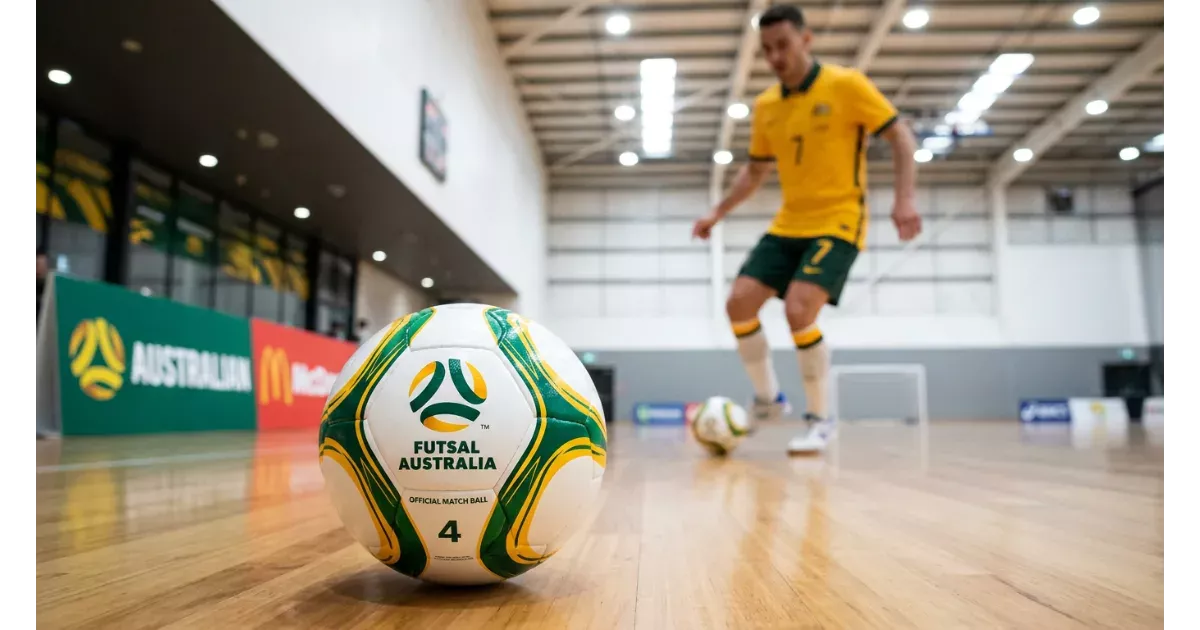
Choosing the right futsal equipment can make a major difference in training, competition, and player development. Futsal is a fast and technical form of football that requires excellent ball control, quick passing, accurate shooting, and fast decision making. Players and teams need equipment that can handle frequent use while providing a consistent playing experience. For clubs, academies, schools, and individual players, AZU Sports offers sports equipment designed to support different levels of futsal and football activity.
The growing popularity of indoor football has increased interest in quality futsal equipment across the country. Players looking for futsal balls Australia can choose from different products depending on age, playing level, surface, and training requirements. A suitable futsal ball should provide controlled movement, reliable bounce, durability, and comfortable handling. Selecting the right ball allows players to develop the skills that are especially important in the fast-paced futsal environment.
Unlike traditional outdoor footballs, futsal balls are designed with characteristics that suit the smaller indoor playing area. Understanding futsal ball specifications is therefore important before purchasing equipment. Size, weight, circumference, bounce, bladder construction, outer material, and overall design can all affect how the ball behaves during a game. Coaches, players, parents, and clubs should understand these details so they can select a ball that matches their specific requirements.
Understanding Futsal and Its Equipment
Futsal is played on a smaller pitch than traditional outdoor football and usually involves fewer players on each team. The reduced space means players have less time to make decisions and must maintain close control of the ball.
Because the game is highly technical, the ball plays an important role in the overall experience. Players constantly pass, receive, dribble, turn, and shoot in tight spaces.
A suitable futsal ball is designed to support this style of play. Its construction and bounce characteristics are different from many standard outdoor footballs.
What Makes a Futsal Ball Different?
One of the most noticeable differences is the ball's bounce. Futsal balls are generally designed with a lower bounce compared with traditional footballs.
A lower bounce makes it easier for players to keep the ball close to the ground and maintain control in an indoor environment. This is especially useful when players are surrounded by opponents and have limited space.
The size and weight of the ball also contribute to its playing characteristics. These factors help create a game that focuses heavily on passing, control, and technical ability.
Important Futsal Ball Specifications
Understanding the basic specifications can make the purchasing process easier.
Size
Futsal balls are generally smaller than standard outdoor footballs. A commonly used futsal ball is size 4.
The slightly smaller size makes the ball easier to control in tight spaces. Players can develop quick touches and close control while playing at high speed.
However, the exact requirements can vary depending on the age group and competition rules, so teams should always check the regulations relevant to their competition.
Weight
Weight is another important part of futsal ball design. A suitable ball should provide enough weight for controlled movement without becoming difficult for players to handle.
The weight contributes to the ball's overall feel during passing, shooting, and receiving.
For younger players, choosing equipment appropriate for their age and playing level is especially important.
Circumference
The circumference of a futsal ball is generally smaller than that of a standard adult outdoor football.
This compact size is useful in indoor football because the game requires players to operate in smaller areas. The ball can be controlled closely while players make rapid movements.
Bounce
Low bounce is one of the defining characteristics of futsal balls.
A lower rebound helps players control the ball with their feet instead of dealing with excessive movement through the air. This makes passing and receiving more predictable.
The reduced bounce also supports the technical nature of the sport, where quick ground passes are extremely important.
Why Low Bounce Matters in Futsal
The smaller playing area means the ball needs to stay under control. A high-bouncing football can become difficult to manage when players are surrounded by opponents.
A lower-bouncing futsal ball allows players to receive passes quickly and keep possession.
This characteristic also helps coaches conduct technical drills. Players can practice first touch, short passing, ball shielding, and quick changes of direction more effectively.
Choosing Futsal Balls Australia
Players and teams have different requirements when selecting futsal equipment. Beginners may need a durable ball for regular practice, while competitive teams may require a ball that closely matches official competition standards.
When choosing futsal balls Australia, consider where the ball will be used and how frequently it will be played with.
Indoor courts can have different surfaces, and the amount of wear can vary depending on the environment. A durable outer material can help the ball handle regular contact with the playing surface.
Futsal Ball Construction
The construction of a futsal ball can influence its durability and performance.
Modern futsal balls are commonly manufactured using synthetic outer materials. These materials can provide a balance between softness, durability, and resistance to repeated impact.
The panel structure also contributes to the ball's overall shape and consistency.
A well-constructed ball should maintain its roundness during regular use. This allows players to develop more predictable passing and shooting techniques.
The Importance of the Bladder
The internal bladder is an important component of a futsal ball.
It helps maintain air pressure and contributes to the ball's shape. A reliable bladder can improve consistency during training and matches.
Players should regularly check the ball's pressure because air can gradually escape over time.
Keeping the ball properly inflated according to the manufacturer's recommendations can help maintain its intended playing characteristics.
Futsal Ball Surface
The outer surface affects how the ball feels when players control and pass it.
A suitable surface should provide a comfortable touch without becoming too slippery. This is particularly important in futsal because players frequently receive and pass the ball at short distances.
The surface should also be durable enough to withstand repeated contact with indoor flooring.
Futsal for Player Development
Futsal is often used to improve technical football skills because players receive many touches during a game.
The limited space encourages players to make quick decisions. They learn how to control the ball under pressure, find passing opportunities, and move into open areas.
Regular futsal practice can help players develop confidence with both feet.
The ball's characteristics support this development by keeping the game focused on controlled ground play.
Passing With a Futsal Ball
Passing is one of the most important skills in futsal.
Because the pitch is smaller, players often use short and fast passes to move the ball around opponents. Accuracy is more important than simply passing the ball with power.
A suitable futsal ball allows players to practice different passing techniques while becoming familiar with how the ball responds to their touch.
Coaches can create drills that focus on one-touch passing, quick combinations, triangles, and possession.
Ball Control and First Touch
First touch is extremely important in futsal.
Players often receive the ball while an opponent is very close. They need to control the ball quickly and move it into a useful position.
A suitable futsal ball helps players practice these movements repeatedly.
Good first-touch training can improve confidence and allow players to make faster decisions during competitive matches.
Shooting With a Futsal Ball
Futsal also requires accurate finishing.
Players often have limited space and very little time to shoot. They must be able to strike the ball accurately from different positions.
Training with a suitable futsal ball allows players to practice shooting techniques, including low shots, placed finishes, and powerful strikes.
Goalkeepers also benefit from regular futsal shooting practice because they face frequent shots from close range.
Durability and Regular Use
Futsal balls can experience significant wear because they are used frequently on indoor surfaces.
Teams that train several times each week should prioritize durability when selecting their equipment.
A durable ball can provide better long-term value because it is capable of handling repeated passes, kicks, tackles, and contact with the playing surface.
Proper maintenance can also increase the usable life of the ball.
Indoor Surface Considerations
The playing surface should be considered before purchasing a futsal ball.
Indoor courts can use different flooring materials, and some surfaces may create more friction than others.
Players should select a ball designed for the environment in which it will be used.
Using the right equipment can help reduce unnecessary wear and provide a more consistent playing experience.
How to Maintain a Futsal Ball
Proper maintenance is important for keeping a futsal ball in good condition.
Check its pressure regularly and inflate it according to the recommended range. Avoid excessive inflation because this can affect the ball's feel and performance.
Clean the surface after training sessions to remove dust and dirt. If the ball becomes wet, allow it to dry naturally before storing it.
Keep the ball away from sharp objects and extreme temperatures.
Futsal Balls for Clubs and Academies
Football academies and futsal clubs often need multiple balls for training sessions.
Having several consistent balls allows coaches to run passing drills, shooting exercises, possession games, and tactical activities without interruption.
For youth programs, choosing age-appropriate equipment is particularly important. Younger players need equipment that they can control comfortably.
Clubs should also consider purchasing balls that can withstand frequent training use.
How to Select the Right Futsal Ball
Before buying a futsal ball, consider several important factors.
First, identify the player's age and skill level. Younger players may have different requirements from adult competitors.
Second, consider the playing environment. Indoor flooring and training frequency can affect the type of ball needed.
Third, review the ball's size, weight, circumference, bounce, construction, and material.
Finally, consider durability and value. A reliable ball that can handle regular use may provide better long-term value than a cheaper product that needs frequent replacement.
Why AZU Sports Can Be a Good Choice
Selecting reliable sports equipment helps players focus on developing their skills. AZU Sports provides football and sports products designed for players, clubs, academies, and enthusiasts.
For futsal players, having a suitable ball is particularly important because the sport depends heavily on close control, quick passing, and technical ability.
A good futsal ball should offer a balance of durability, controlled bounce, comfortable touch, and consistent performance.
Whether you are purchasing equipment for individual practice, a school, a futsal club, or a professional training environment, choosing the right product can improve the quality of every session.
Futsal Ball Specifications and Performance
Understanding specifications before purchasing helps buyers make more informed decisions.
Size determines how comfortable the ball feels during control. Weight affects passing and shooting. Circumference influences handling, while bounce determines how the ball behaves after hitting the floor.
Construction and outer material also affect durability and touch.
All of these characteristics work together to create the overall playing experience.
Benefits of Using the Right Futsal Ball
The right ball can support better training and player development.
Players can improve first touch, passing accuracy, dribbling, shooting, and decision-making through regular practice.
Coaches can also create more realistic training sessions when the equipment matches the conditions players experience during competitive games.
For younger players, the correct ball can make learning more comfortable and enjoyable.

